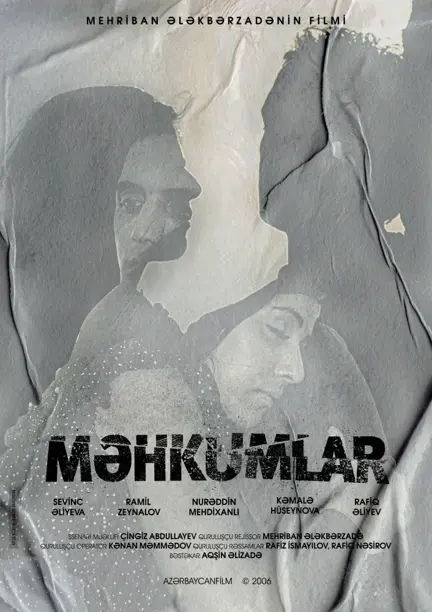
The film is about the residents of the leprosy hospital in the settlement of Umbaki — the only one of its kind in the Caucasus — and stresses how necessary it is to create the conditions for those who have contracted the disease to rejoin society. Though the events are taken from real life, the film's aim is to make the civilised world treat even the incurably ill humanely, to break down the wall between these people and society, and to awaken mercy and care. It is a protest against people isolated from society by health regulations being lost, while still alive, to those closest to them. Its central point is that while society treats people differently, no rescue is possible. Their misfortune is such that they envy prisoners and captives, because although they live, for their families and loved ones they no longer exist; society does not even want to face them, and they must bear their grief alone — a grief without cure or hope. Leprosy is hereditary: if someone falls ill, it may appear somewhere in their line — as it did for Leyla (Sevinj Alishova), the heroine of The Condemned. Unable to find a cure for her illness, her father (Sabir Mammadov) could not bear the grief and died early, and her mother (Najiba Huseynova) left her at the hospital in Umbaki. To protect the names of their two other daughters they told everyone she had died and forgot Leyla for good. Leyla's world begins when Eldar (Ramil Zeynalov), a student of the Moscow Medical University, comes to the hospital for practice. Eldar loves her, against the will of all his relatives and of his high-ranking father. But as the saying goes: count what you like, and see what fate counts.