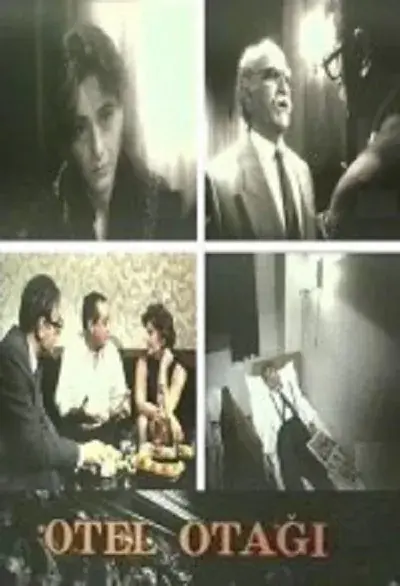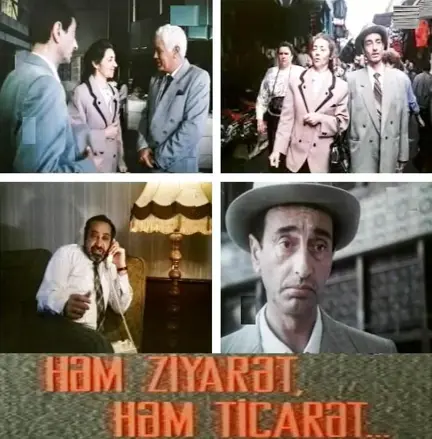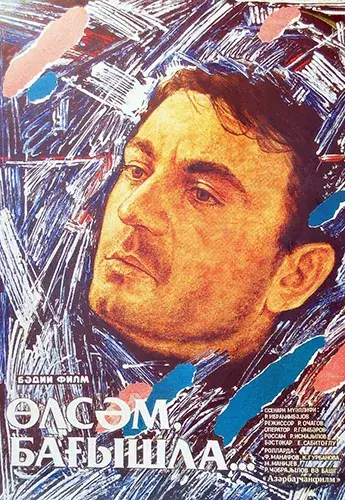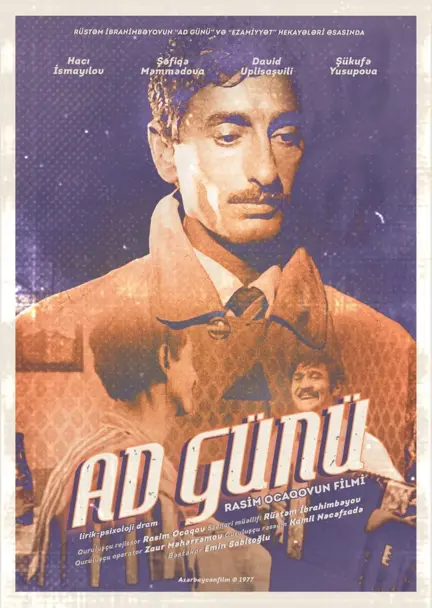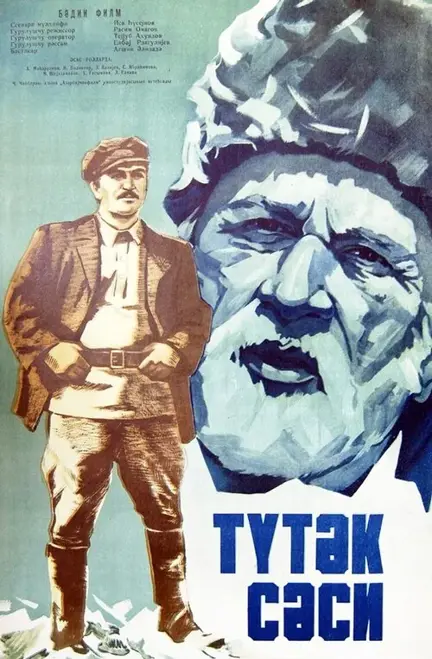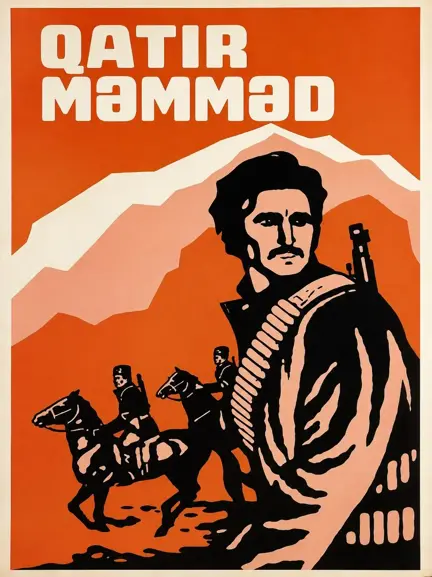
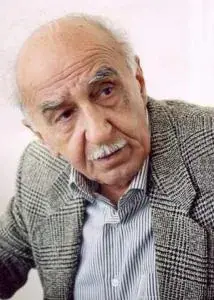
Rasim Ojagov was born on 22 November 1933 in the city of Sheki, Azerbaijan. Between 1951 and 1956 he studied at the cinematography faculty of VGIK in Moscow. He later also graduated from the directing faculty of the Azerbaijan State Institute of Arts named after M. A. Aliyev. From 1956 he worked as a cinematographer at the "Azerbaijanfilm" studio, and from 1973 as a director. He began his first shoots at the Baku Film Studio in the late 1950s. In 1957 he shot his first film as cinematographer, "Bir məhəlləli iki oğlan," working alongside chief cinematographer Margarita Pilikhina. "Onun böyük ürəyi" (1958) was Ojagov's first independent work as cinematographer, a film dedicated to the lives of Sumgait's metalworkers. The screen life of these workers in a demanding profession was rendered in a romantic and captivating form through his camerawork. In the films that followed — "Əsl dost," "Bizim küçə," "Mən rəqs edəcəyəm," "Sən niyə susursan??" and "Skripkanın sərgüzəşti" — Rasim Ojagov created some of the finest examples of the cinematographer's art in Azerbaijani cinema. His first work as a director came in 1975, when he completed the unfinished film "Gəncəbasarlı qisasçı." In this film, made in the historical-heroic genre, he replaced some of the actors playing the heroes and reworked the screenplay; the role of Gatir Mammad was entrusted to actor Shahmar Alakbarov. When the film was released, although some criticisms were voiced, the press widely noted that the film was, on the whole, a success. His second work as a director was the film "Tütək səsi." With its original scenes, filming style and artistic treatment of its theme, "Tütək səsi" brought considerable innovation to Azerbaijani cinema. In the films that followed — "Ad günü," "Bağlı qapı," "Özgə ömür," "Park," "Ölsəm bağışla," "Həm ziyarət, həm ticarət" and "İstintaq" — Ojagov, by creating true images of his contemporaries, called on audiences to look attentively at those around them and not to turn a blind eye to negative phenomena in society. In his later films, such as "Təhminə" and "Otel otağı," he likewise addresses serious subjects, again exploring the theme of a person's relationship to the world around them.