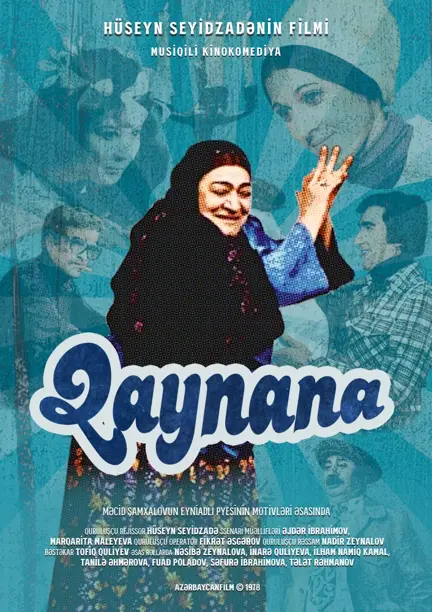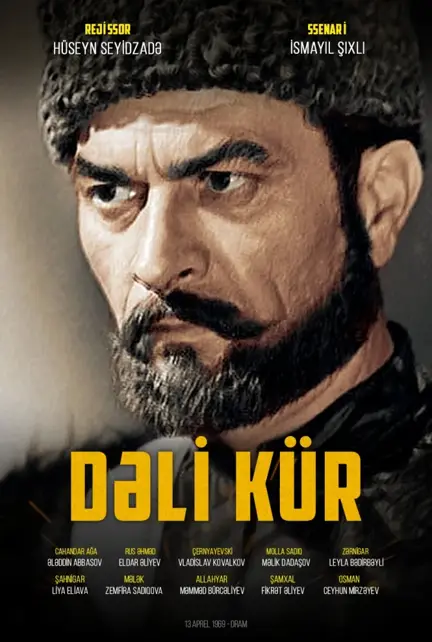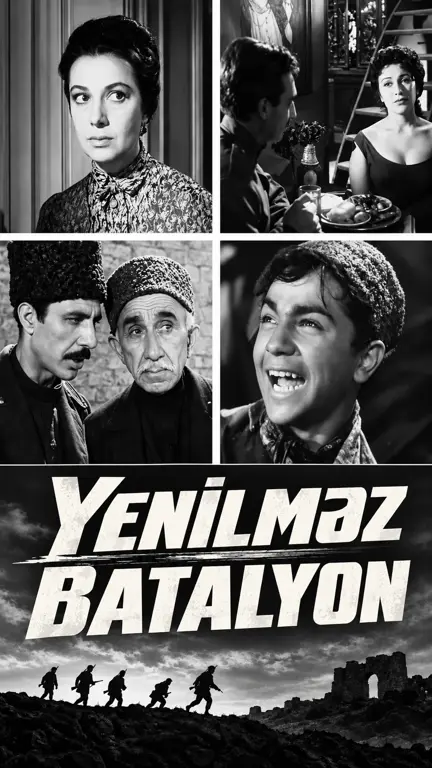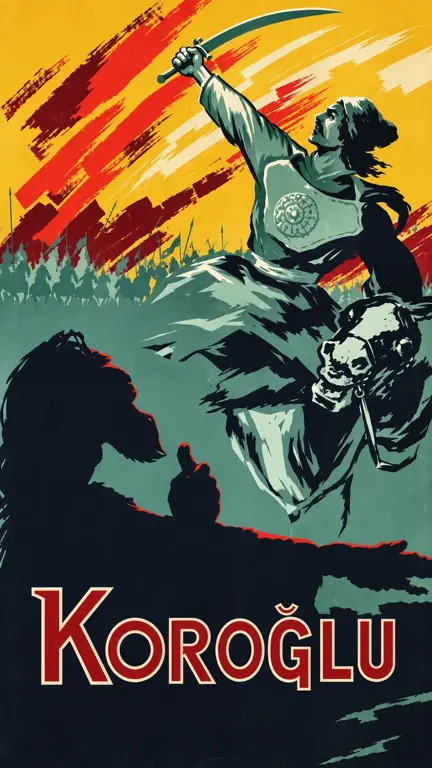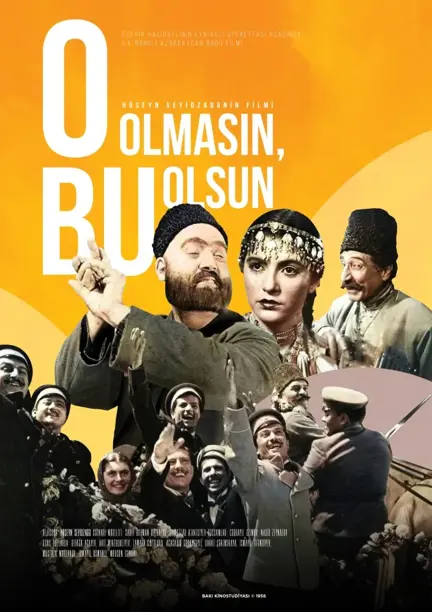
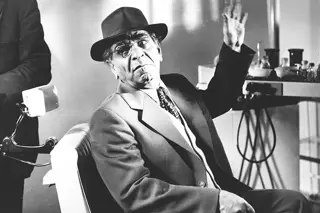
Huseyn Mirali oghlu Seyidzade was born on 15 October 1910 in Yerevan. He was the younger brother of Hasan Seyidov. In 1927 he began working at a sewing factory in Baku, later joining a workers' theatre, where he worked as an actor's assistant. A year later he became an actor at the Young Workers' Theatre. In 1930 he completed a directing course in Leningrad and returned to Baku. In 1936, after graduating from the film directing faculty of the All-Union State Institute of Cinematography in Moscow, he began working at the Azerbaijanfilm studio. He directed the films "The People of Baku" and "The Great Dawn" in 1938, and "The Mirror" in 1939. He then honed his craft at the "Lenfilm" studio. In 1943, together with director Niyazi Badalov, he made the film "The Gift", which spoke of the patriotic feelings of people sending gifts to the front during the war. In 1956 Huseyn Seyidzade's film "It Could Be Him, It Could Be This One" was released in Baku's cinemas. There is no other work in Azerbaijani cinema that has managed to gather as famous an ensemble of actors as "It Could Be Him, It Could Be This One". This film, which travelled the world, is one of the masterpieces of Huseyn Seyidzade's work. In 1969 Huseyn Seyidzade adapted for the screen his script "Mad Kur", based on the novel of the same name by Ismayil Shikhli. The feature films "The Invincible Battalion" (1965), "Koroghlu" (1960), "Long Live, Girls" (1972) and "Mother-in-Law" (1978) are among H. Seyidzade's finest directorial works. Huseyn Seyidzade was a fighting spirit as an artist. He liked to speak his mind openly. In 1970 he was awarded the title of Honoured Art Worker of the Azerbaijan SSR. In his final years he wanted to make a film about Natavan, but merciless death did not allow it. Huseyn Seyidzade died on 2 June 1979. A street in Baku bears his name.