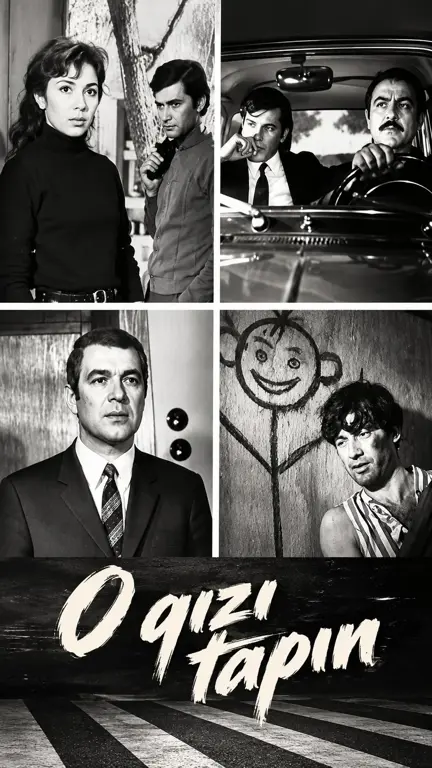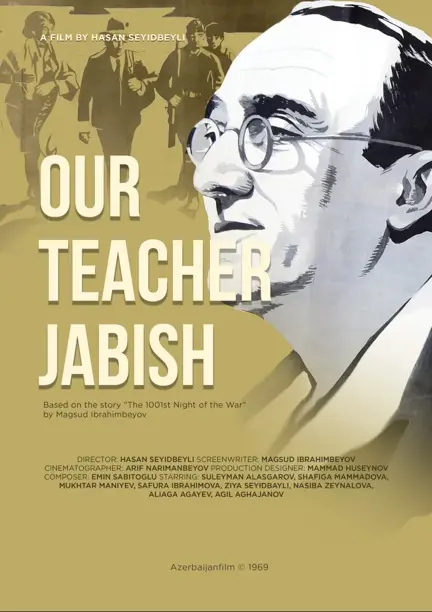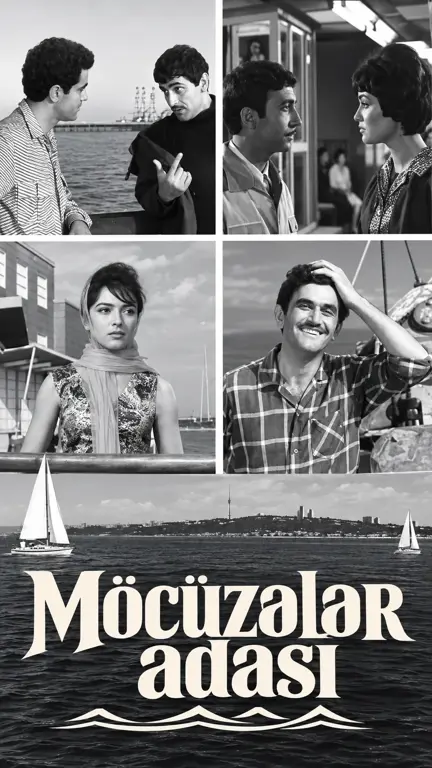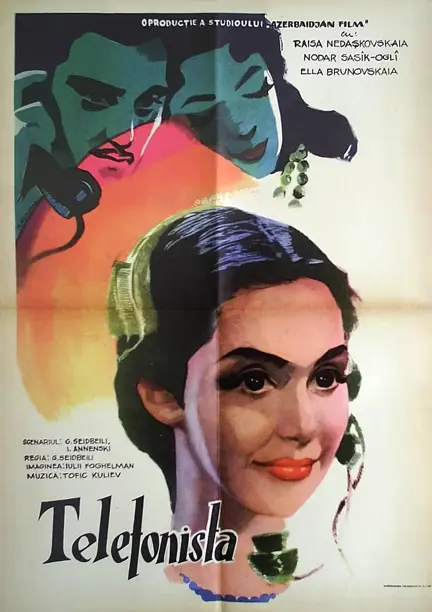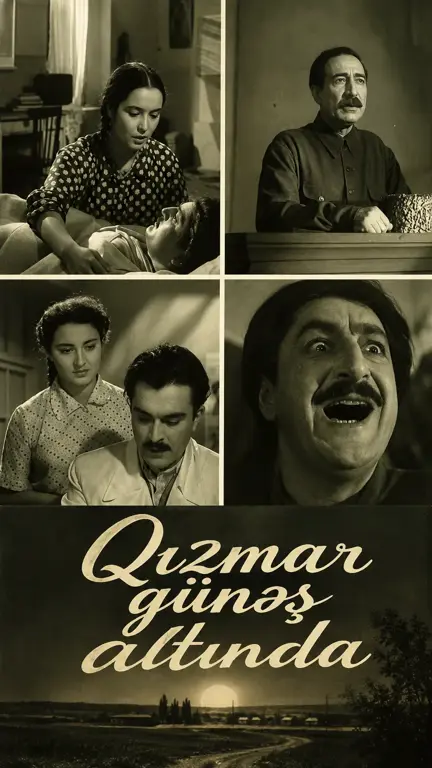
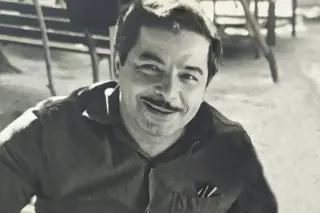
Hasan Seyidbeyli was born on 22 December 1920 in the city of Baku. There he completed School No. 132.[2] Hasan Mehdi oglu Seyidbeyli studied at the Leningrad Institute of Cinema Engineers in 1938–1939, and in 1943–1951 at the film directing faculty of the All-Union State Institute of Cinematography in Moscow.[3] He worked as a film director at the "Azerbaijanfilm" studio, and from 1963 to 1980 served as secretary and then chairman of the Union of Cinematographers of Azerbaijan. His dramatic works "İmtahan" (The Exam), "Qızıl axtaranlar" (Gold Seekers), and "Bağlı qapılar" (Closed Doors) have been staged in Azerbaijan and abroad. His novellas "Kür sahillərində" (On the Banks of the Kur, 1953), "Bizim Astara" (Our Astara, 1956), and "Telefonçu qız" (The Telephone Girl, 1960); his novels "Cəbhədən-cəbhəyə" (From Front to Front, 1961), "İllər keçir" (Years Go By, 1973, co-written with I. Gasimov), "Tərsanə" (The Shipyard, 1975), and "Çiçək" (The Flower, 1978); and his plays "Dəniz cəsurları sevir" (The Sea Loves the Brave, 1954) and "Sən nə üçün yaşayırsan" (What Do You Live For, 1959, both co-written with I. Gasimov) portray the labour and moral integrity of his contemporaries. His novel "Uzaq sahillərdə" (On Distant Shores, 1954, co-written with I. Gasimov) is dedicated to the Hero of the Soviet Union M. Huseynzade. His works have been translated into a number of foreign languages. From 1963 to 1980 Hasan Seyidbeyli served as First Secretary of the Board of the Union of Cinematographers of Azerbaijan. His films were awarded prizes and diplomas at All-Union Film Festivals. A personal archive of director Hasan Seyidbeyli has been established at the Film Fund.